

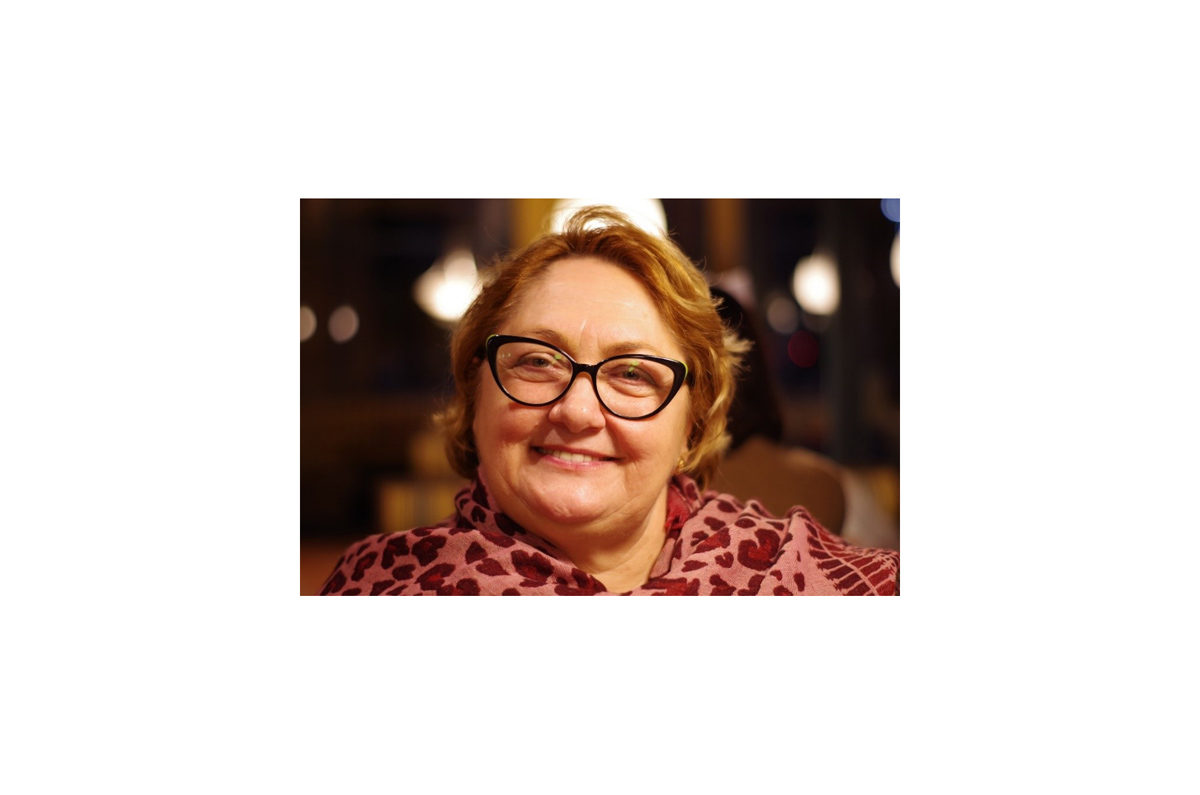
Olena Saitz is the vice president and program director of the Ukrainian-American Association of Higher Education Professionals (UACE), a nonprofit organization.
The goal of the newly established association of higher education faculty members in Ukraine is to enhance the level of personal growth of professionals, both as individuals and as members of the professional community, at the local level, within their country, and on an international scale.
During the 20 years that I have lived and worked in the United States, my colleagues and I have not lost touch with Ukraine.
I will try to describe ways in which educational institutions, civic organizations, and individuals can be guided to implement innovations in the process of professional development and integration into the international professional education community.
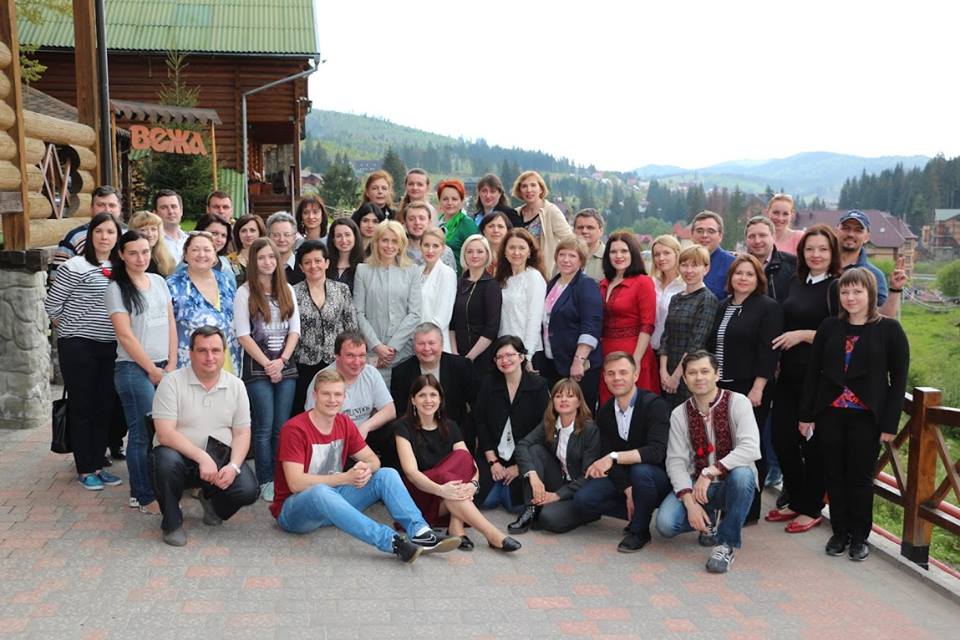
I will attempt to explore the topic of the practices and professional experience of experts working within international programs, using the activities of the International Cultural and Educational Association (ISEA), which was one of the initiators behind the creation of the Ukrainian-American Association of Higher Education Professionals and a sponsor of the 2016 Spring School in Bukovel for Ukrainian educators.
With the aim of fostering international ties and cooperation among representatives of education, science, and culture from various countries, the International Cultural and Educational Association was established on February 6, 2002, in the state of Illinois, USA.
Throughout all these years, the Association has been collaborating with various international, civil society, and government organizations and institutions, financial institutions, and private individuals, as well as media and publishing outlets that promote the development of peace initiatives and scientific, educational, and cultural projects.
“In the new processes of nation-building, opportunities are growing for civil society organizations to act as a third force in society alongside the legislative and executive branches. The ISEA has chosen to focus on cultural diplomacy. In every project of the International Cultural and Educational Association, thanks to the expansion of communication with different people, different cultures, and different perspectives—spanning both distant and recent historical eras—a unique “cultural tension” that stimulates creative individuals to think actively, fosters a desire to seek new knowledge, develops the capacity for self-determination, and cultivates tolerance for other ideas.” This statement was made by Larisa Koval, professor, Doctor of Pedagogical Sciences, and president of the ISEA.
http://www.incea.org/category/about/
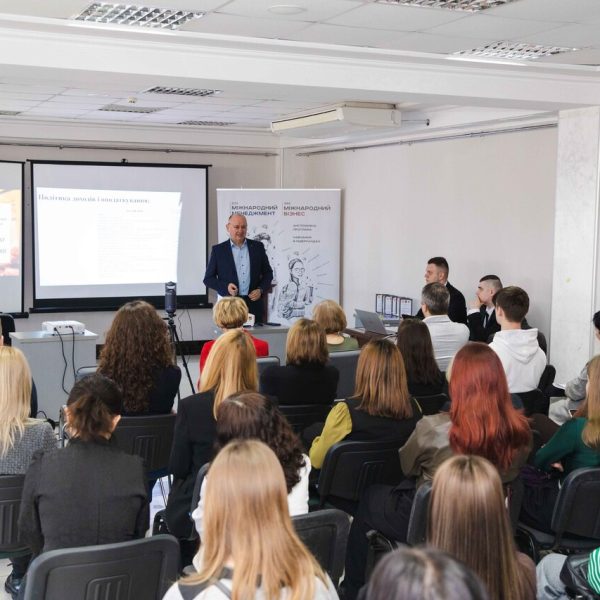
The ISEA has identified as a priority the organization of short-term educational programs for Ukrainian specialists in various fields of science, education, culture, and social activities, as well as facilitating their participation in international congresses, symposia, and exhibitions.
The goal of these professionally oriented training programs, organized jointly with ISEA’s American partners, is to foster a positive image of Ukraine’s intellectual elite, create opportunities for establishing professional contacts, and harmonize professional standards.
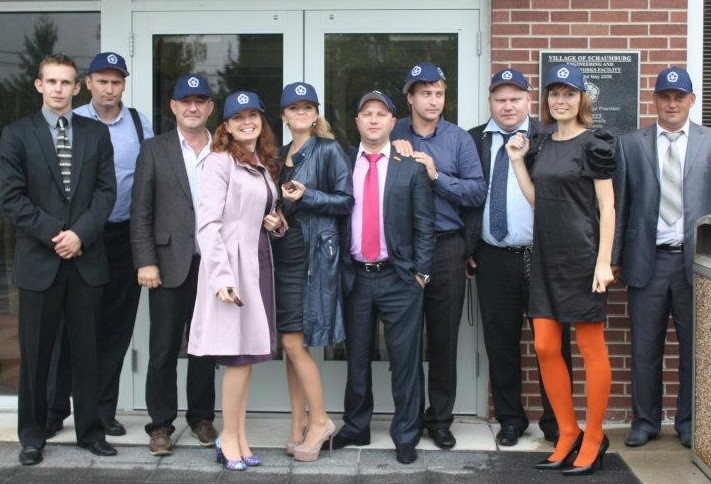
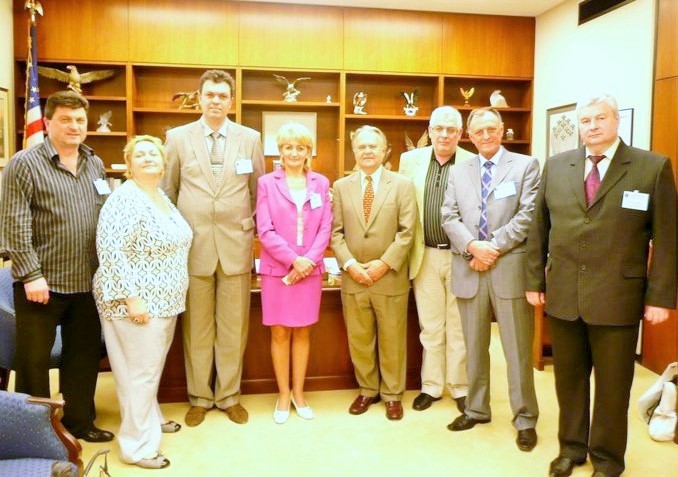
Since 2002, in collaboration with American professional organizations and associations and with the assistance of Ukrainian civil society organizations, ISEA has implemented more than 40 programs, in which over 500 renowned specialists from Ukraine have participated.
Among these programs are:
- 7 training seminars for Ukrainian journalists who received a grant from the Media Assistance Fund at the U.S. Embassy in Ukraine;
- 6 programs featuring experts in architecture and construction from Ukraine;
- 5 programs for representatives of Ukrainian construction companies,
- 4 exhibitions of works by leading Ukrainian artists;
- a training seminar for students of the Management School at the Kyiv Regional Center of the Open British University;
- a program for professionals in the Ukrainian interior design industry;
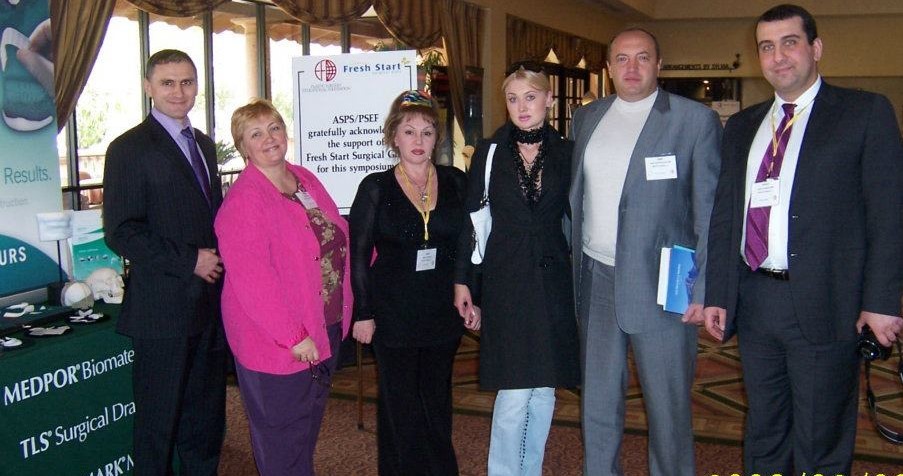
- 3 professional training programs for plastic surgeons from Ukraine,
- 8 Software Programs for Lawyers and Notaries in Ukraine
- 4 programs for students and student government representatives
- 2 programs to foster sister-city relationships between cities in Ukraine and the United States of America
- 5 grants received from the U.S. “Open World” program
You can learn more about ISEA's programs and activities on the following websites:
www.icea.us, www.icearu.org,www.incea.org, https://www.facebook.com/ICEA-inceaorg-174721562550573/
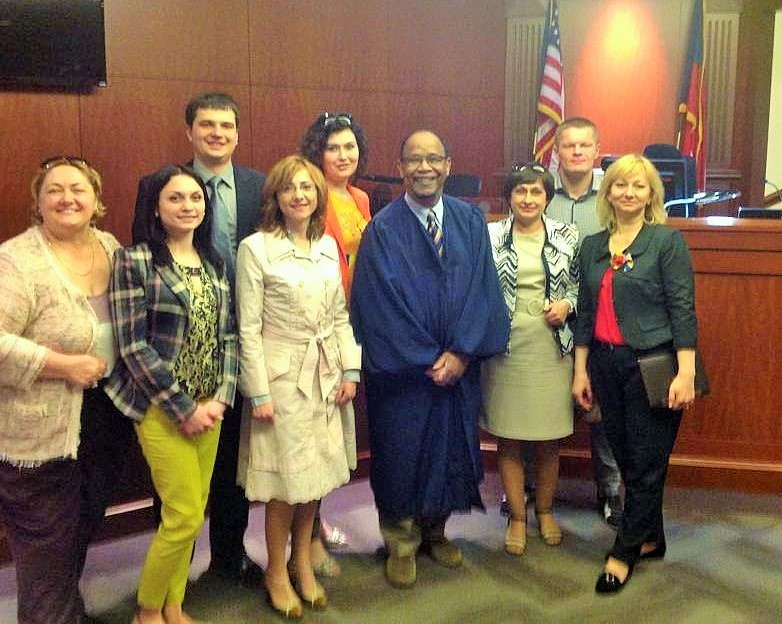
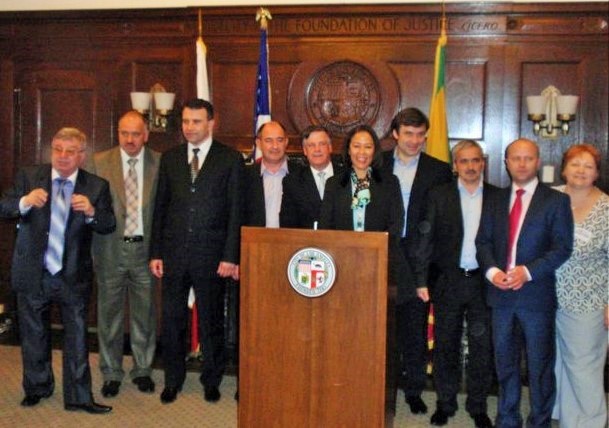
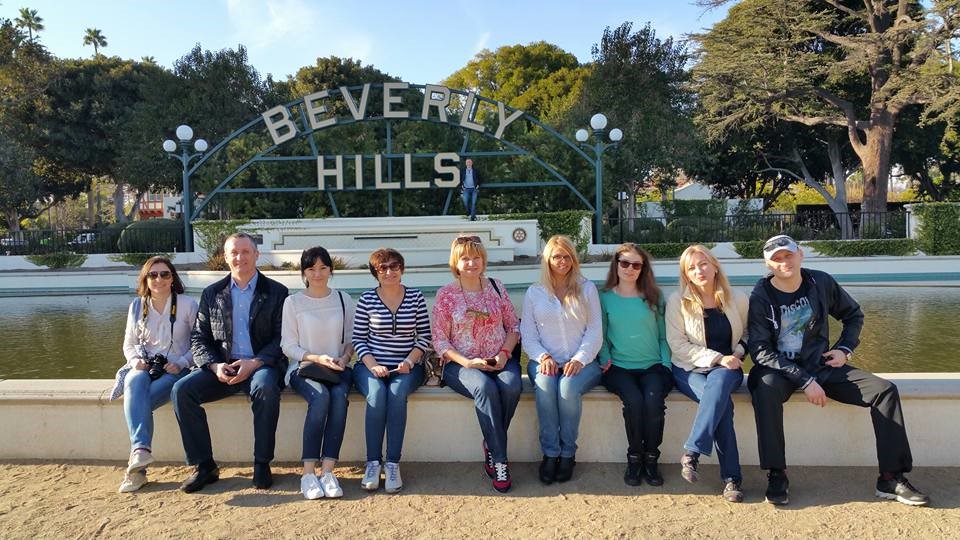
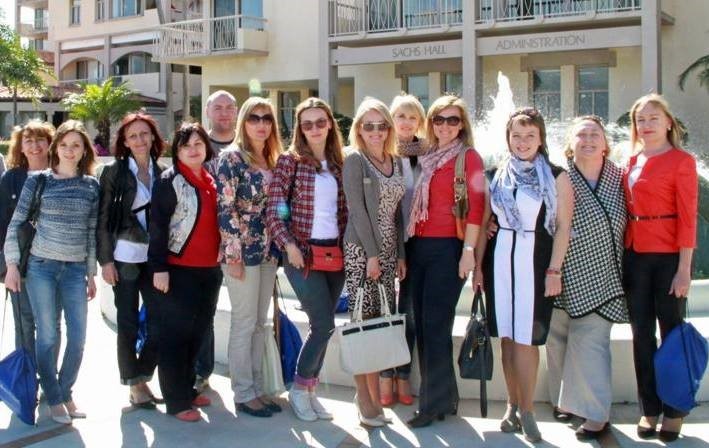
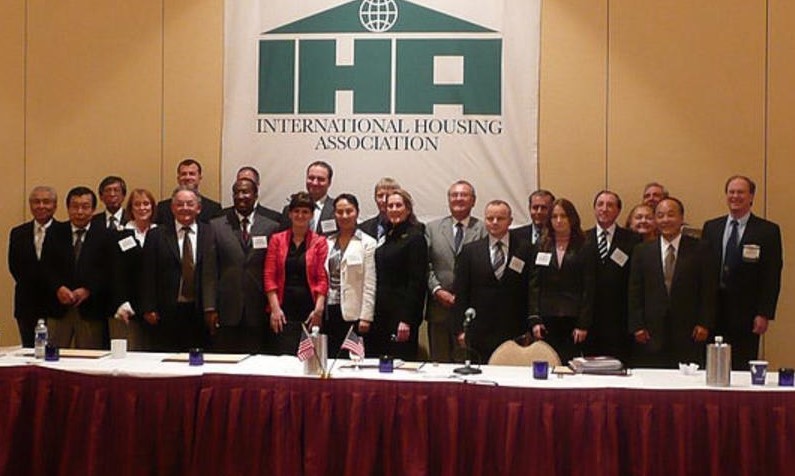
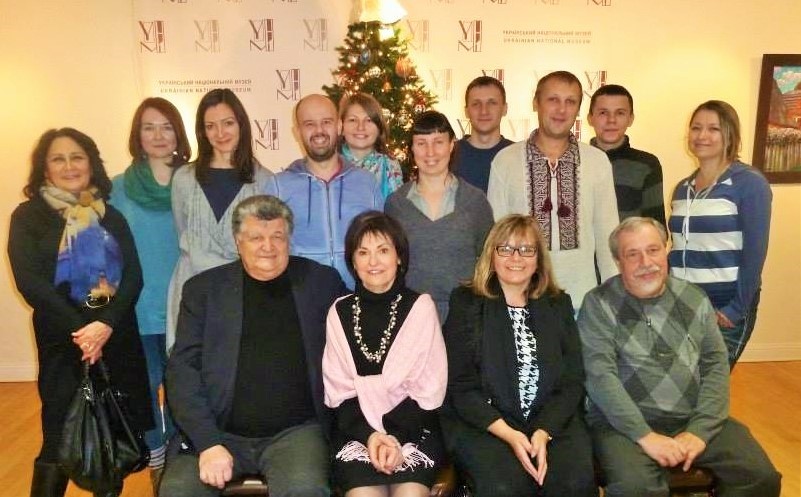
Based on our experience working in these programs over the past 14 years—which has yielded significant positive results, fostered productive relationships with our American colleagues, and allowed us to learn from their experience—there are still some shortcomings that need to be addressed:
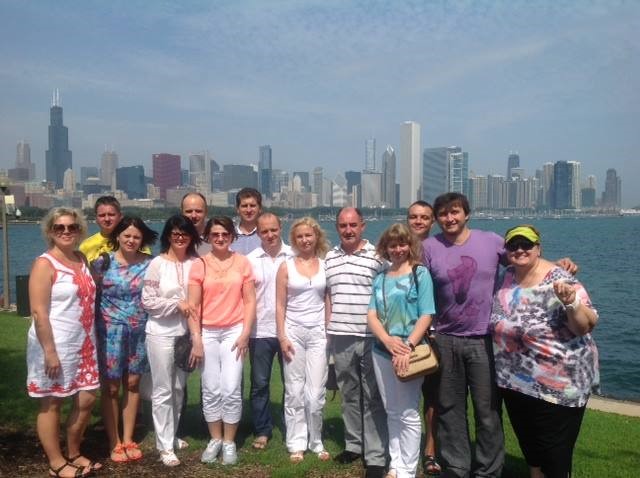
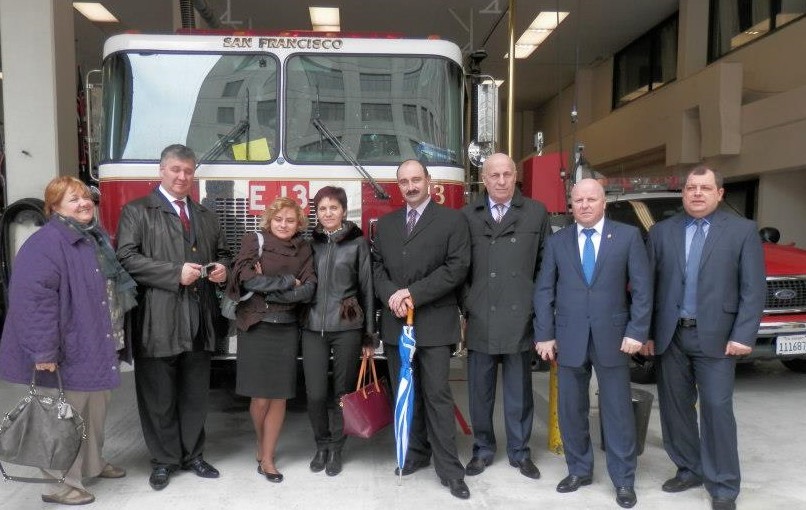
- The vast majority of program participants do not have a sufficient command of English, which prevents them from speaking at gatherings of fellow professionals and participating in international conferences;
- All attempts over the years to involve Ukrainian labor unions in the work of international professional organizations have been unsuccessful; to this day, “Ukraine’s seat” remains vacant in leading international professional associations, unions, and societies;
- The number of ISEA program participants who register and travel to the United States for the second or third time has increased, but, unfortunately, only a handful go on to become professional leaders and establish professional associations;
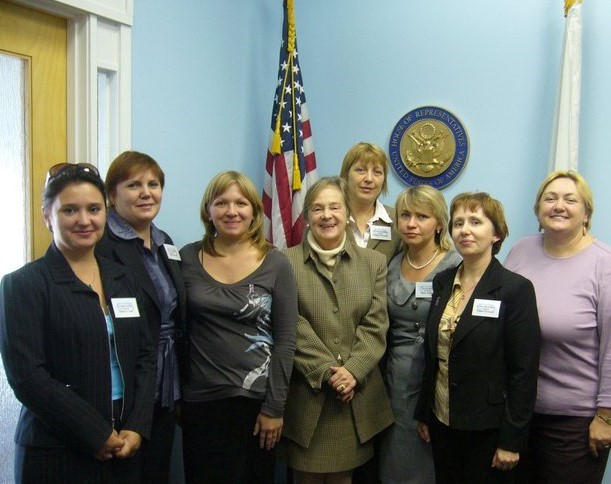
In my opinion, there are factors that hinder the rapid integration of Ukrainian professionals into the international professional community:
- At the level of students, future professionals, and within the workforce, participation in professional associations is not encouraged. For the most part, these are outdated, archaic forms of governance within national and regional unions. The bureaucrats who have secured positions in the governing bodies have remained in place for decades, and it is not uncommon for them to use public funds and membership dues to finance their own trips to international events.
- The legal framework governing the operations of civil society organizations and professional associations is flawed; it does not allow them to generate funds and spend them on the organization’s needs—the very purpose for which they were established. It is impossible to raise the necessary funds solely through donations and membership dues to carry out professional activities, hire professional managers, develop their own projects, and participate in international events.
- Professional civil society organizations in Ukraine have not yet become a platform capable of conducting expert reviews or evaluating the quality of specific projects and individuals who are nominated for leadership positions in the government.
- Information support on social media is lacking; it is not uncommon for a national-level professional organization not to even have a website describing itself and its activities in English.
From my own experience, I know that all international professional organizations are linked by a unified system of communication and a common approach to organizing events in different countries. These organizations are influential and advocate for their members’ interests before the government, submit proposals to legislative bodies, and promote national science and culture. Only a professional can truly understand a colleague on a professional level. Only by getting to know one another and visiting countries at the invitation of colleagues can trust be built, and only trust attracts investment and fosters business growth. Only international recognition of professionals’ scientific achievements propels them and their country forward and fosters a developed, integrated environment.
There is a great deal of work ahead in establishing a professional lobby in Ukraine and integrating it into the international community; there is hope that this will become a strategy for the Ukrainian state and be reflected in the country’s laws.
The newly established Ukrainian-American Association of Higher Education Professionals (UACE) welcomes your suggestions, is open to new members, and looks forward to collaborating on projects and programs!