

Problems in the labour market and regional differences
According to the Ministry of Tourism and Sport, the shortage of qualified staff is becoming the most important problem in this industry.[7] This is mainly due to mass emigration and low birth rates. According to the latest census from 2021, Croatia has 3.9 million citizens, 10% less than in 2011.[8] Demographic trends look even worse than during the war-torn 1990s, when 7% of the population left the country. The possibility of working legally in countries with higher standards of living (mainly Germany, Austria and Ireland) is one of the primary reasons for the mass exodus to the EU, in addition to excessive state bureaucracy, a weak and inefficient judiciary, corruption and the incompetence of the political elite.[9]
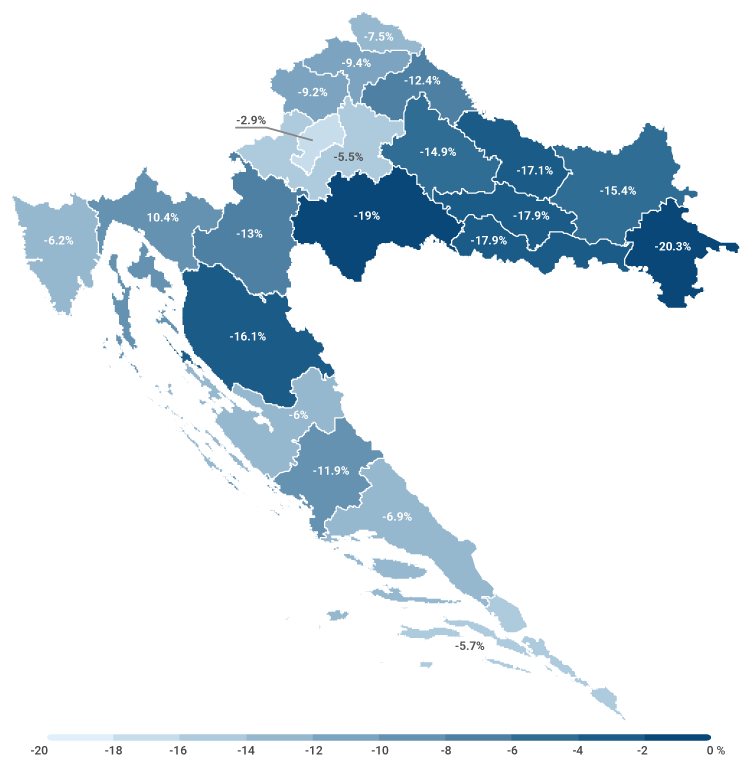
Map 3. Population change in Croatia based on the 2011 and 2021 censuses
Source: Croatian Bureau of Statistics, dzs.gov.hr.
Data published by the Croatian Bureau of Statistics shows that the process of depopulation is not evenly spread. It has mainly affected Slavonia, the flatland part of Croatia located far from the sea (one in five of its inhabitants has left), and to a lesser extent the more affluent parts along the Adriatic and Zagreb (see Maps 2 and 3). Even in the coastal županias (counties), development is concentrated on the coast, while the interior remains largely neglected; this is another factor that encourages emigration.
Investments: eye-catching or efficient?
The low absorption of EU funds is one of Croatia’s main problems and barriers that prevent it from taking full advantage of its EU membership. From 2013 to 2022, the country was supposed to receive up to €10.7 billion from European structural and investment funds, but failed to make use of as much as 46% of the approved money.[10] According to a report by the European Court of Auditors, Croatia was the country that absorbed the least resources from ESI funds for 2014–2022.[11] The reasons for this financial mismanagement include the inefficient state administration, inadequate cooperation between the public and private sectors, corruption, and irregularities related to public procurement. Croatia began to perform slightly better after 2019, when Gabrijela Žalac, who was accused of involvement in corruption scandals, stepped down as minister of regional development and European funds.[12] Over the past two years, the country has achieved significant progress in the use of EU funds: it now absorbs up to 72% of those allocated.[13]
Croatia’s EU-funded investment successes include the region’s flagship energy diversification project and LNG infrastructure. Following Russia’s aggression against Ukraine, a floating terminal on the island of Krk has proven to be one of the most important projects for securing an alternative to Russian gas supplies to the region. The plan to build the facility in Omišalj on Krk was conceived long before Croatia joined the EU, but it took pressure from Brussels and Washington to ensure it was constructed.
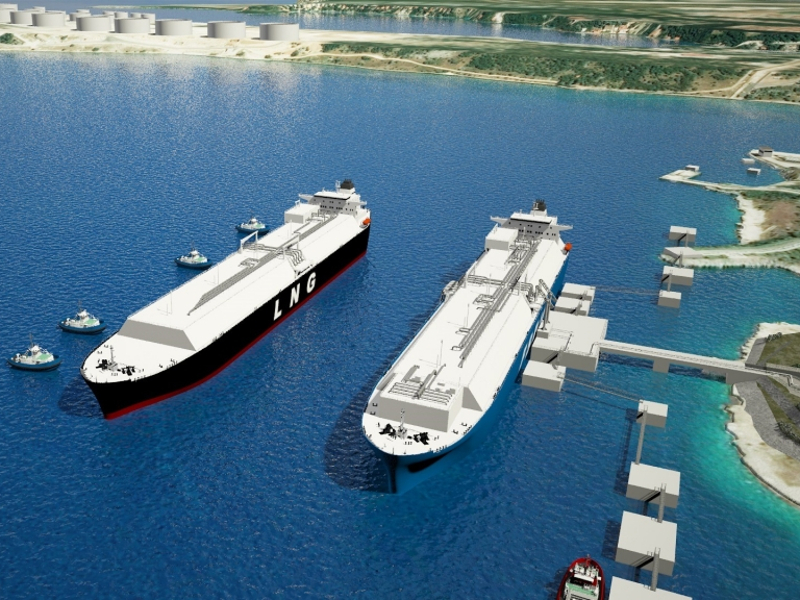
Russian influence in the country and the difficulties of implementing such a major project in an uncertain economic climate were the main reasons why it was delayed by nearly a decade. The government was also reluctant to foot the bill for the project since it could obtain gas from the existing source (until 2021, most of the imported gas indeed came from Russia). Construction began in 2019 and cost a total of €234 million, including more than 43% from the EU’s Connecting Europe Facility. The floating LNG terminal finally became operational in January 2021. In its current form, its regasification capacity is 2.9 bcm per year, but talks are underway to increase it to 6.1 bcm by 2025, which would significantly enhance Croatia’s role as the region’s energy hub. The terminal’s expansion is important not only in the context of shifting away from Russian crude – the government also wants to use this facility to pursue its interests in Bosnia and Herzegovina. The Southern Gas Interconnection project envisages the creation of the first gas pipeline link between the two countries with a capacity of 1.5 bcm. This presents Sarajevo with an opportunity to reduce its dependence on Russian gas while Croatia gains an important instrument with which to influence its neighbour.
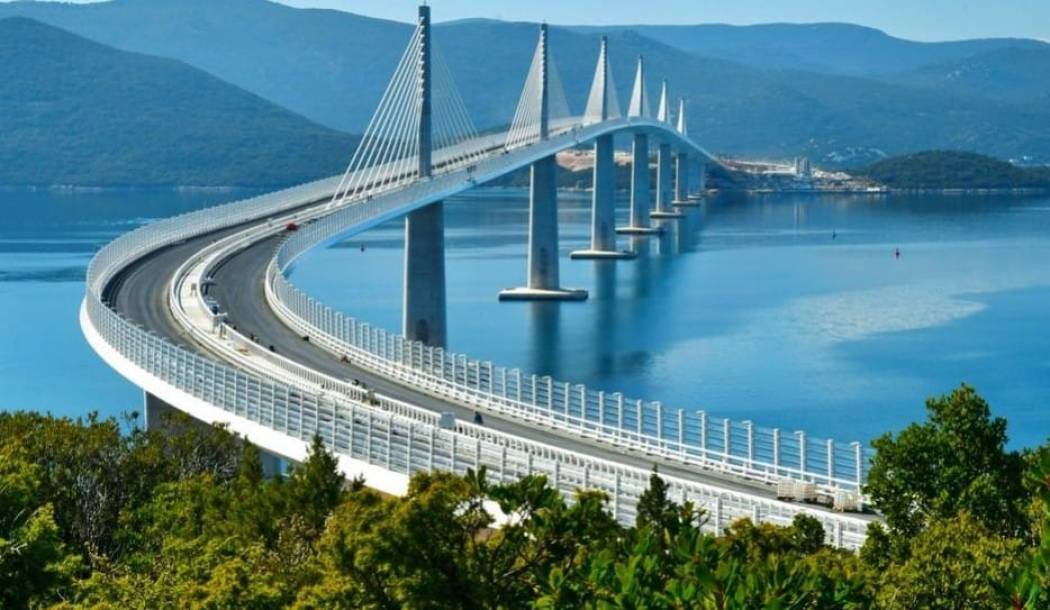
The construction of the 2.4 km long bridge to the Pelješac Peninsula is a much more debatable venture in terms of its economic benefits. This was co-funded by the EU and put into operation in July 2022 (see Map 4). It connects the enclave around Dubrovnik (this is separated by a strip of Bosnian coastline) with the rest of the country. The bridge is the largest Croatian infrastructure project to which the EU has contributed: its total construction cost was €526 million, €357 million of which was provided by the EU. The government in Sarajevo sharply criticised the first plans to erect the bridge when they were announced in 2005, claiming that it would cut off Bosnia’s only coastal town, Neum, from the open sea.[14] The location of the bridge was changed, but the implementation of the project was put on hold due to the economic crisis; in 2012, the social democratic government of Prime Minister Zoran Milanović (who is the current president of Croatia) decided to scrap it altogether. It was not until Croatia became a member of the EU that the investment, which has been dubbed a ‘generational project’, was given a new lease of life. The bridge is an example of a development that is both extremely costly and symbolically important, as it provides a direct link between two previously separated parts of the country. At the same time, it does little to address the most pressing needs of Croatia’s infrastructure network and makes a negligible contribution to the country’s economic development. While it certainly allows for faster access to Dubrovnik, this city of just over 40,000 inhabitants is more a tourist attraction than a centre of industry and innovation. In practice, therefore, the project further deepens the country’s dependence on tourism. The rationale for the construction of this link has also been undermined by the actions taken by local politicians who have been seeking to restrict tourist traffic to the ‘pearl of the Adriatic’.
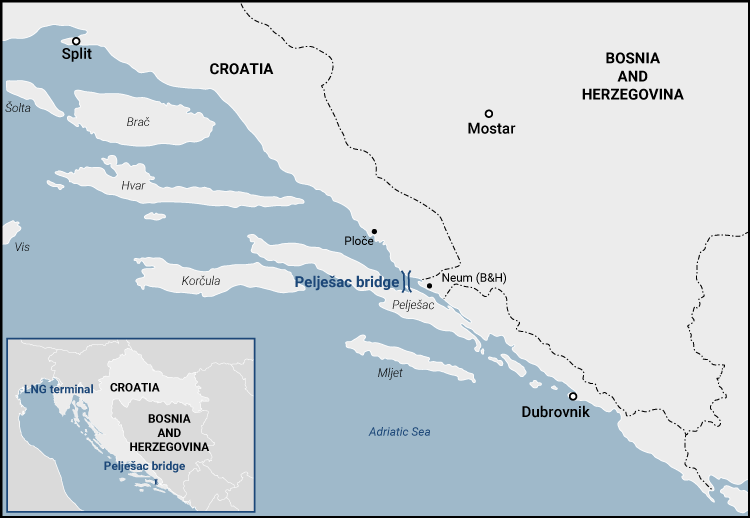
Map 4. Major EU investments: the LNG terminal and the Pelješac bridge
Source: author’s own compilation.