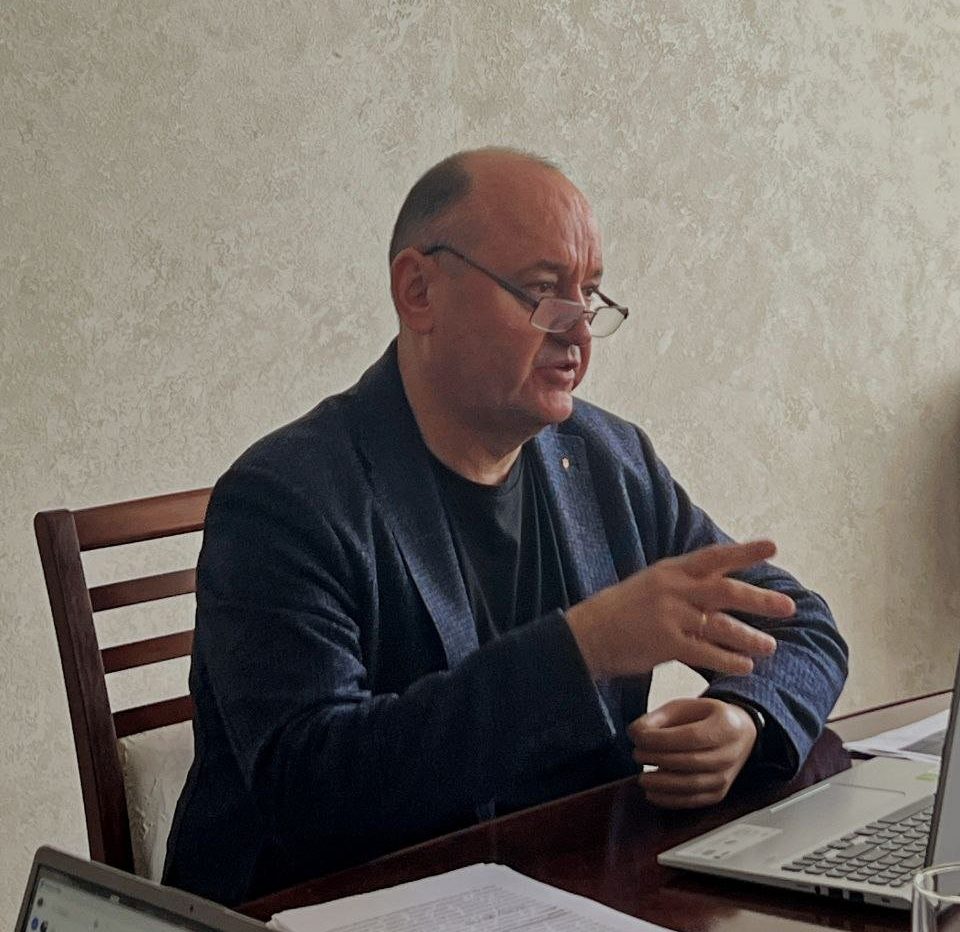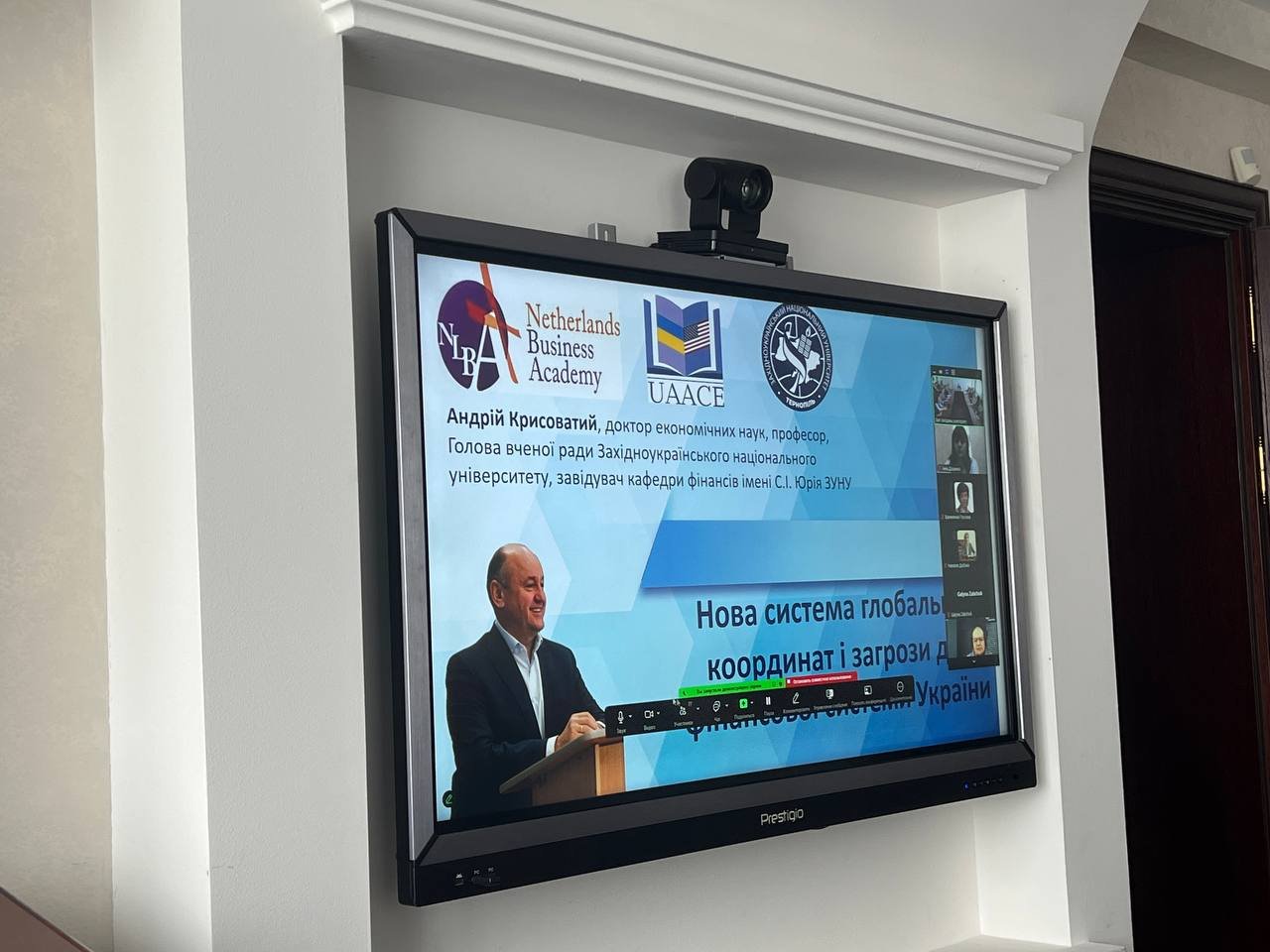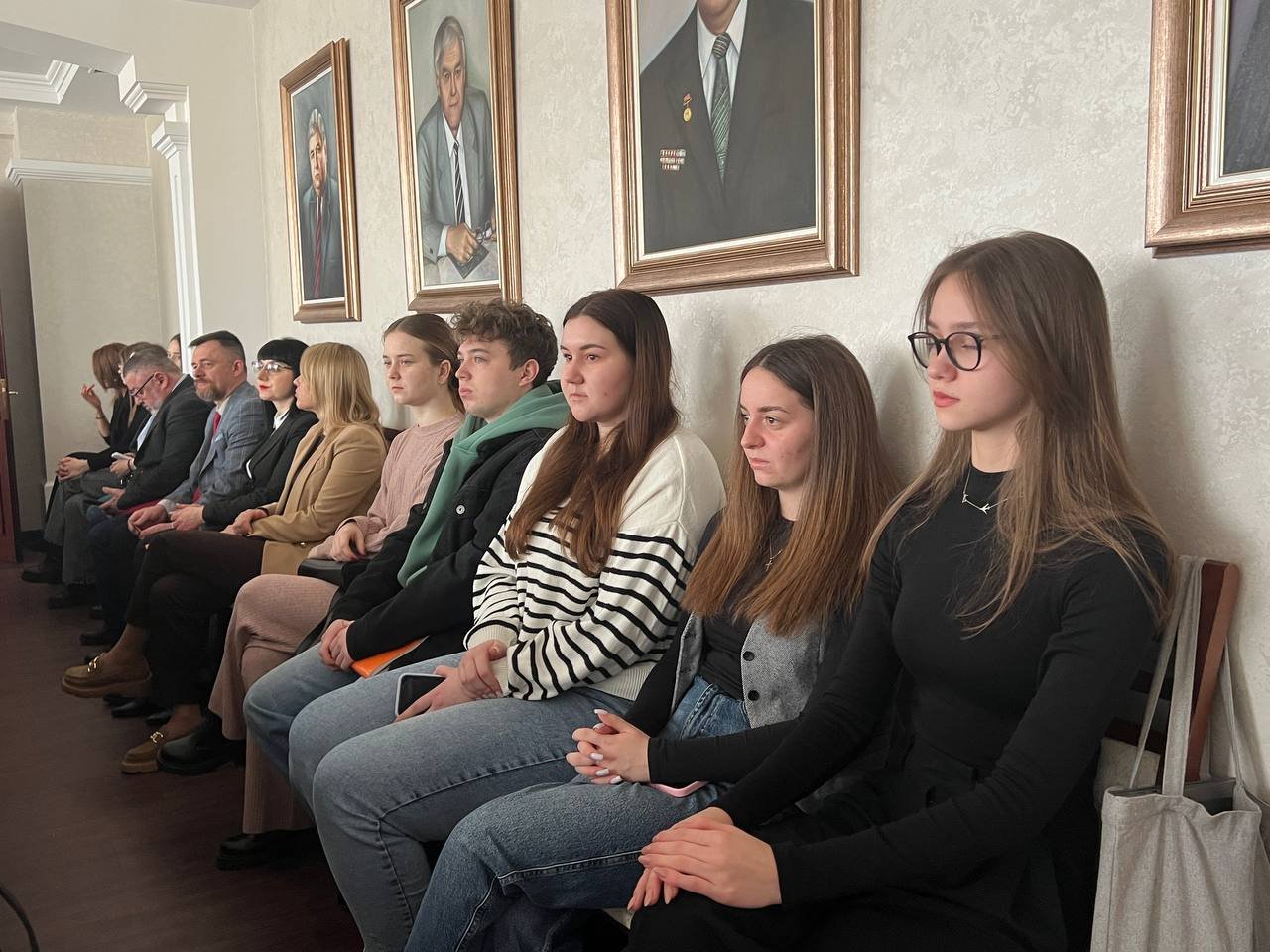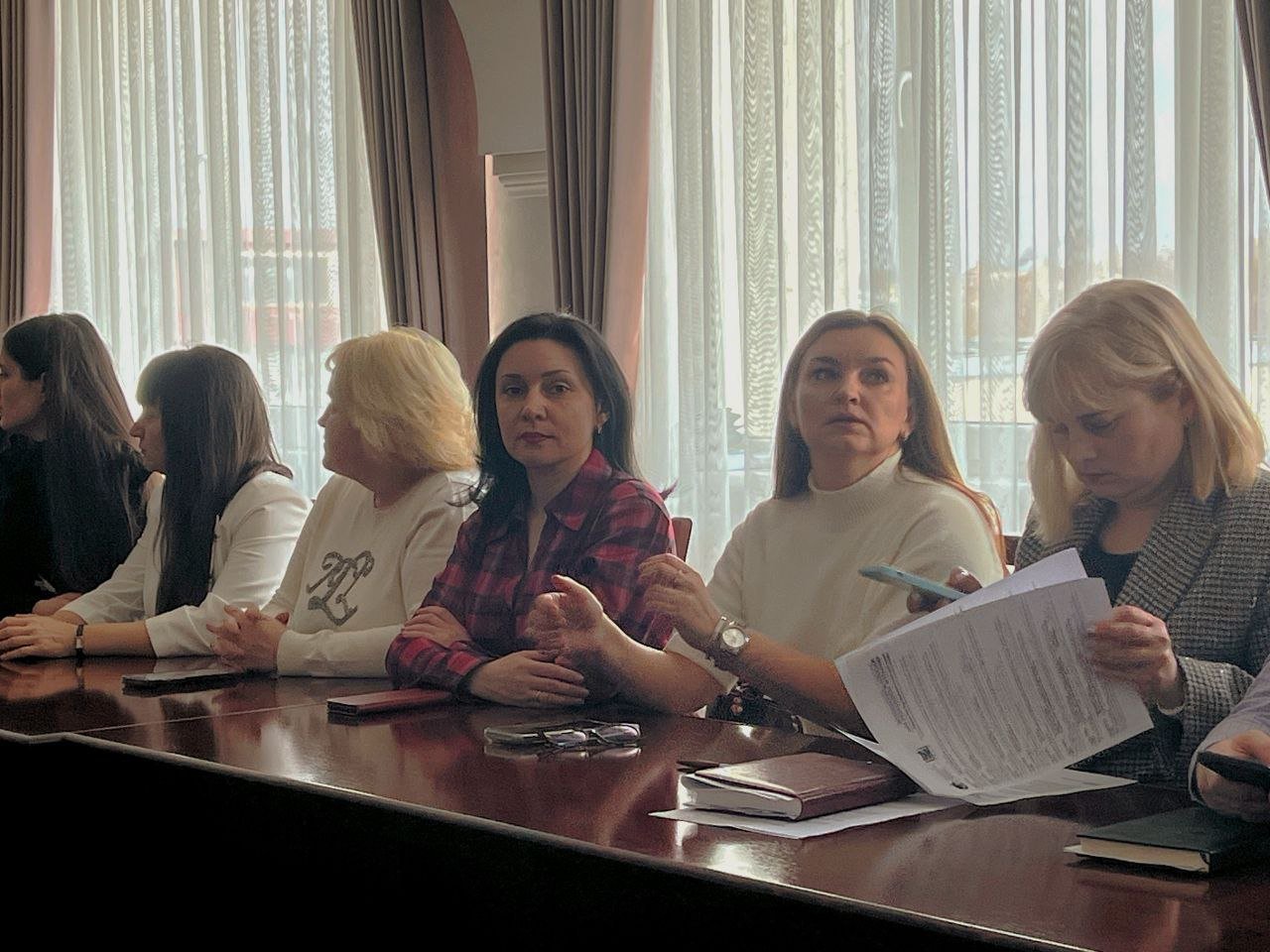


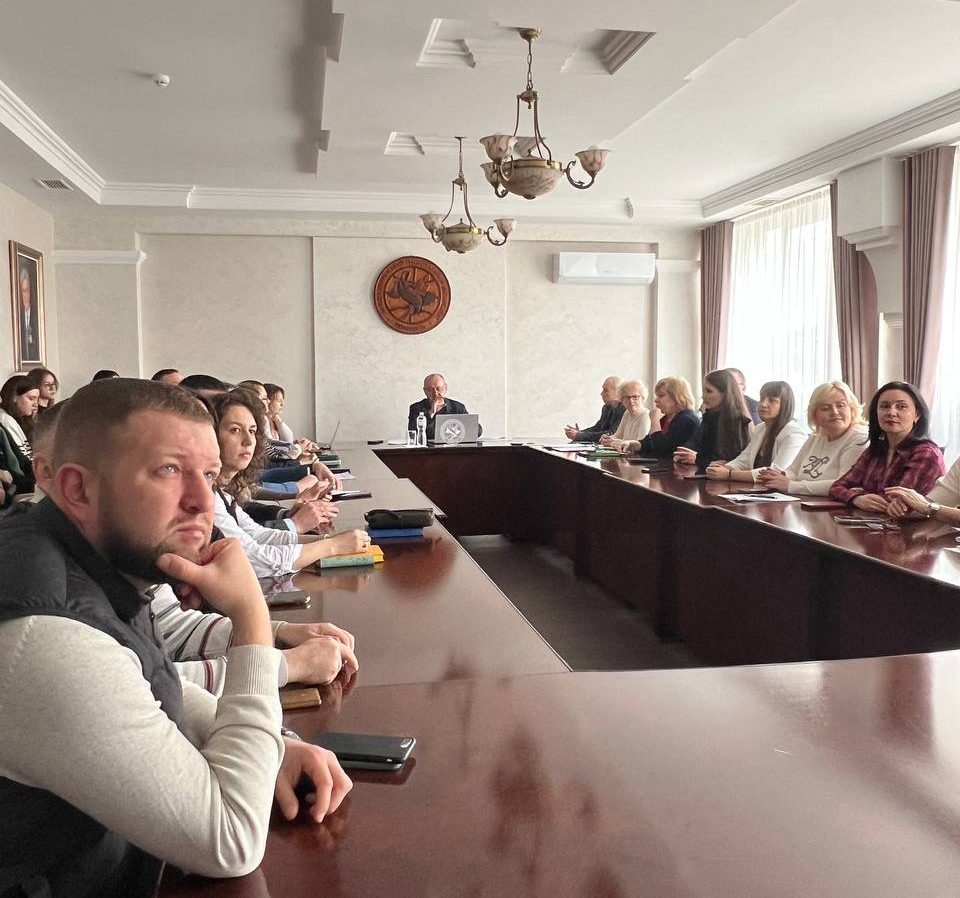
With the support of the Ukrainian-American Association of Higher Education Professionals, a lecture and panel discussion titled “The New Global Coordinate System and Threats to Ukraine’s Financial System” was held at the Western Ukrainian National University as part of the preparations for the Second International Financial Forum “Modern Finance: Global Challenges and Current Trends.”
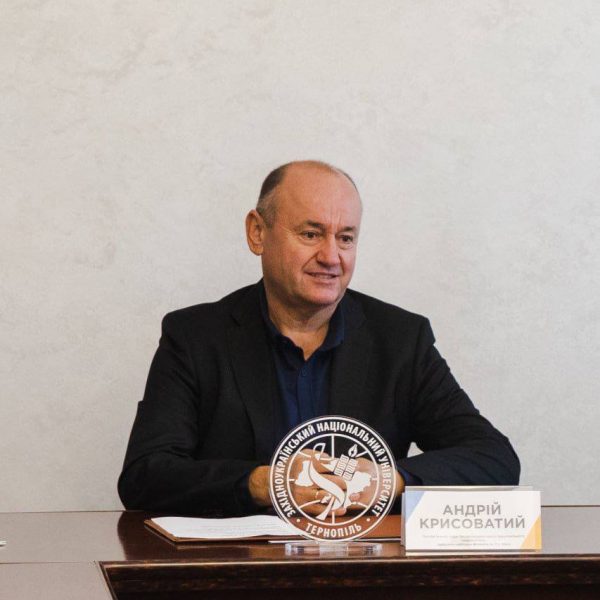
The event was led by Andriy Krysovaty—Doctor of Economic Sciences, professor, president of the Ukrainian-American Association of Higher Education Professionals, member of the Academy of Economic Sciences of Ukraine, and Honored Worker of Science and Technology of Ukraine.
The event was attended by leading scholars, experienced faculty members, researchers, financial sector professionals, and students from all over Ukraine. International experts in economics, finance, banking, insurance, the stock market, strategic management, government regulation, and social policy joined the discussion.
Participants include representatives from national and specialized universities, scientific institutions, research centers, military academies, relevant government agencies, and financial institutions.
During the lecture-debate titled “A New Global Coordinate System and Threats to Ukraine’s Financial System,” participants discussed the key challenges facing the modern financial world and Ukraine in particular. One of the main topics was the issue of global uncertainty: war, security concerns, budget deficits, and financial market instability are creating new challenges for national economic policy. The discussion on international political turbulence and its impact on small countries—which are forced to balance economic interests against security challenges—was also significant.
Special attention was paid to the growth of external debt and unproductive expenditures, which pose a threat to the country’s financial stability. The participants emphasized that a budget deficit is not always a negative phenomenon, but its steady growth can lead to a debt crisis. In this context, preventive financial instruments were discussed—specifically, revenues, expenditures, debt mechanisms, and transfers—that could help stabilize the economic situation.
Issues of fiscal policy in the context of economic cycles were also discussed. Does the effectiveness of government programs really depend on their cost? Is it possible to strike a balance between cost-effectiveness and the quality of the measures implemented? The discussion touched on classical and modern theories of financial regulation: from Keynesianism to neoclassicism, from liberalism to current trends in the divergence of economic schools of thought.
A separate segment of the discussion focused on Ukraine’s future, particularly post-war reconstruction. Topics addressed included attracting international investment, fostering entrepreneurship, digitizing financial processes, and creating conditions for economic growth. In this context, fintech could become an important tool for transforming the financial system, opening up new opportunities for automation, combating corruption, and effectively managing public finances.
In conclusion, Professor Andriy Kryssovaty presented ten modern parameters of the new global coordinate system for financial space, which reflect contemporary ideas about energy, consciousness, and the transformation of reality. These parameters resonate with concepts from quantum physics, neuroscience, psychology, and personal development.
Main idea: The world is changing, and with it, the laws governing human interaction with reality are changing as well. Now, thoughts materialize more quickly, information is accessible to everyone, and financial success is no longer the result of grueling labor but of energetic resonance. Old systems are crumbling, opening up space for new opportunities, and personal development no longer takes decades—a breakthrough can happen instantly.
The lecture sparked a lively discussion, as Ukraine’s financial stability depends directly on its ability to adapt to new economic realities. A shift in approaches, the use of modern technologies, and prudent resource management open up new horizons for the development of financial science and the country’s financial system.
The event demonstrated that science, innovation, and a deep understanding of economic processes are key to building a stable financial future for Ukraine.