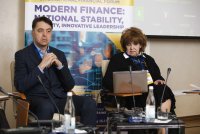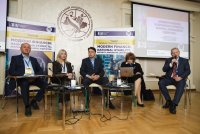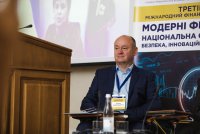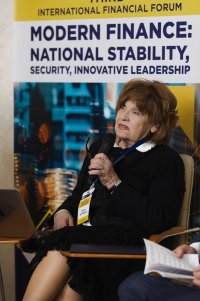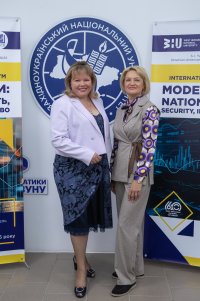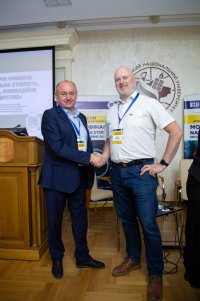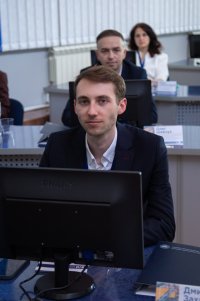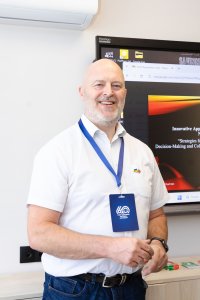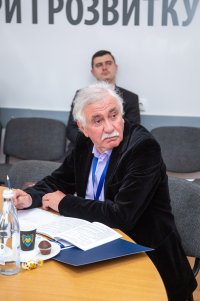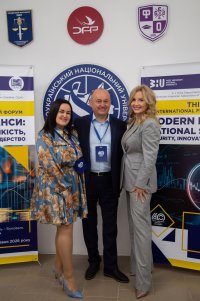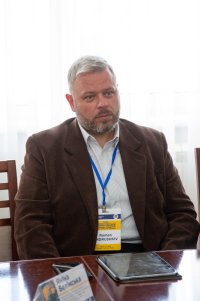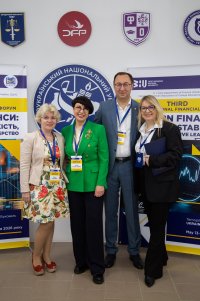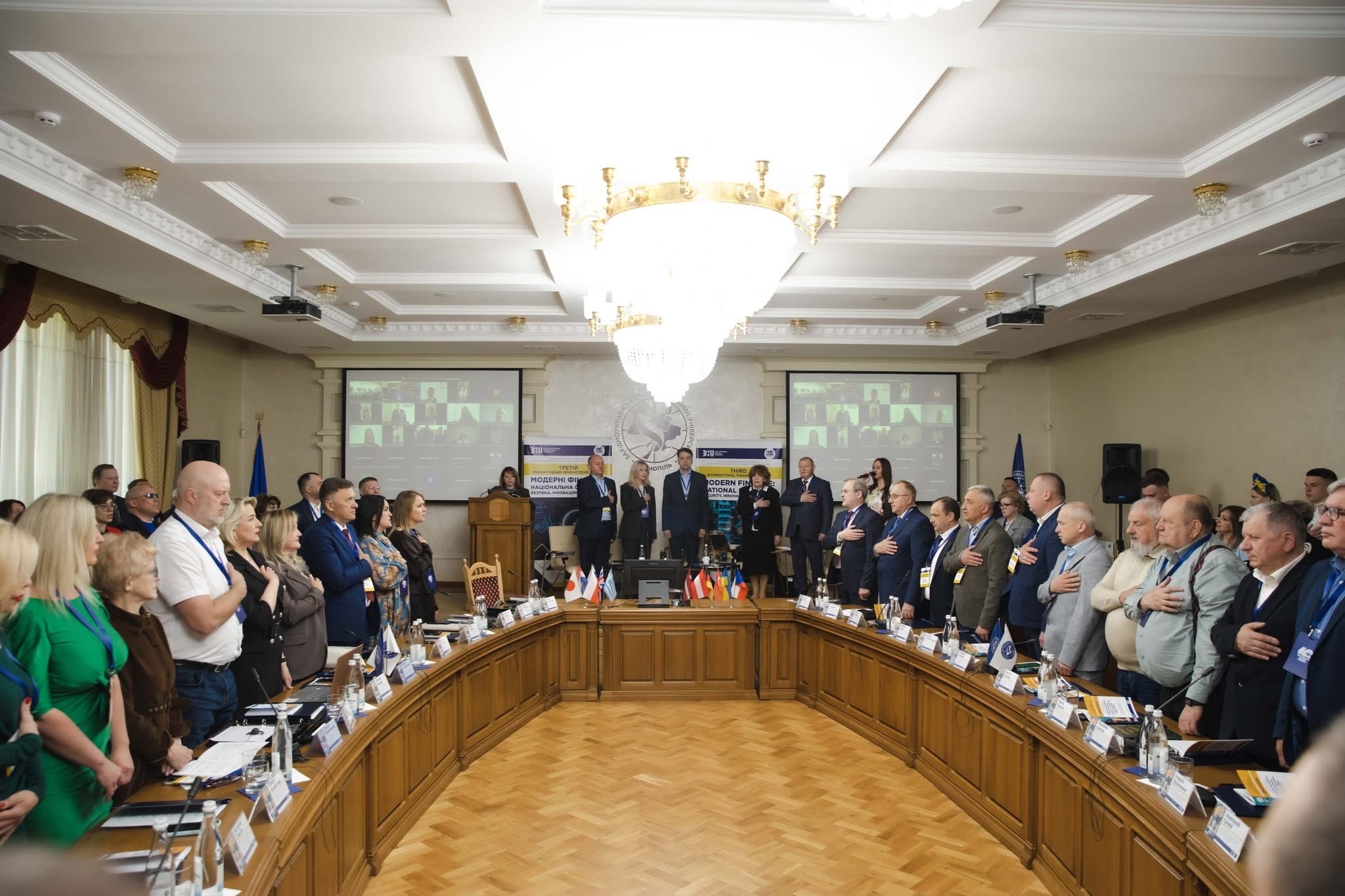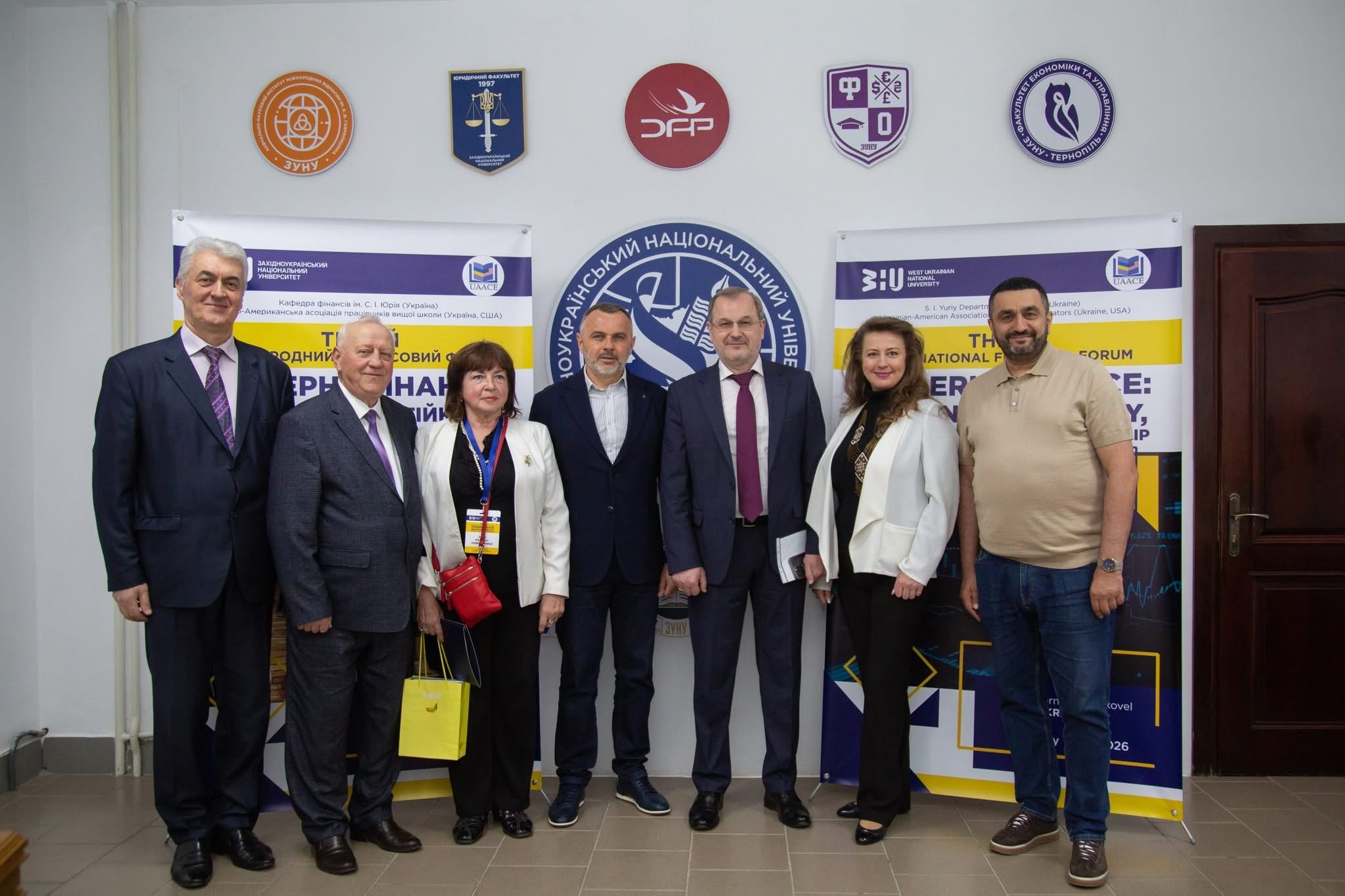


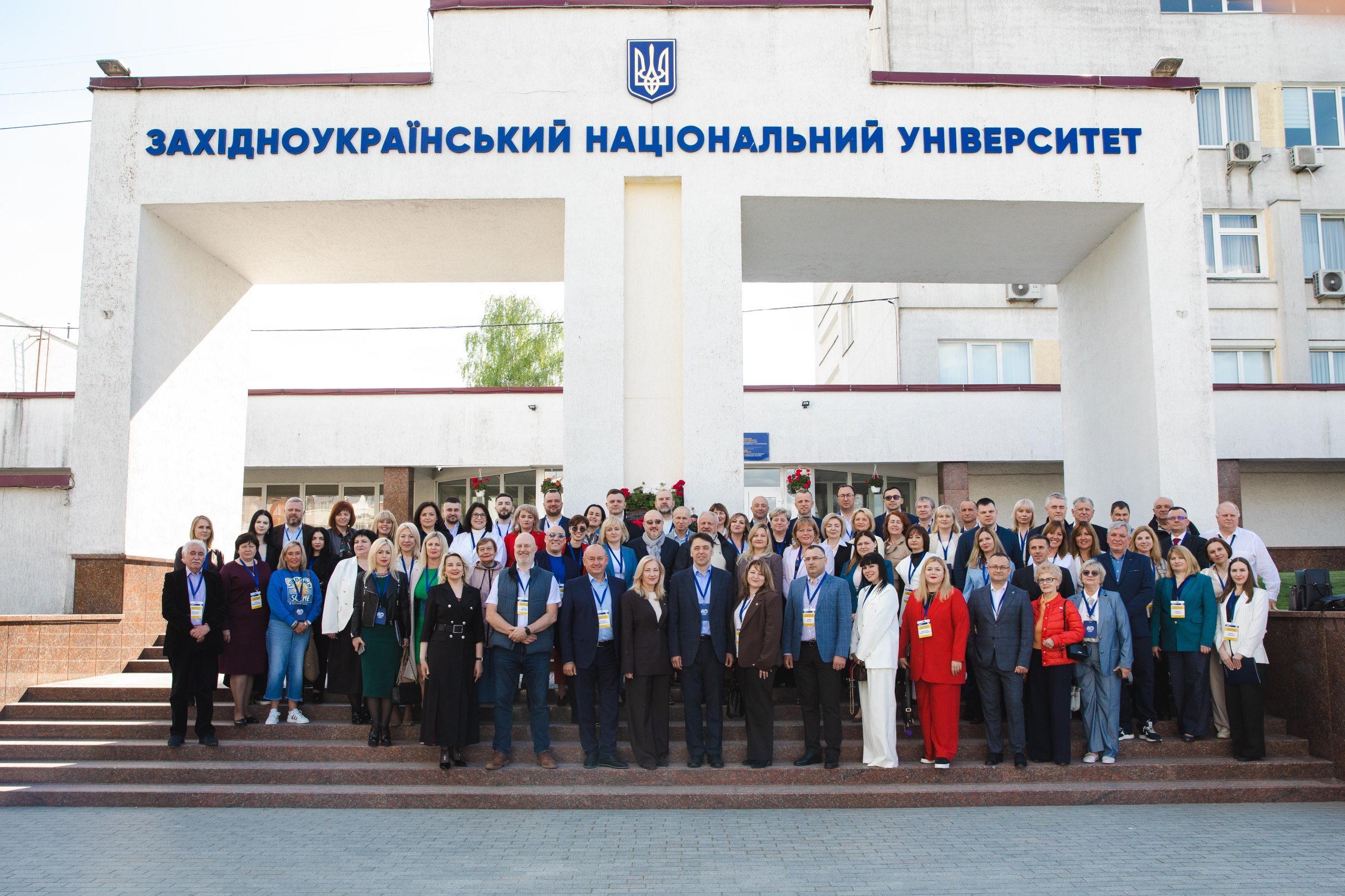
On May 14, 2026, the Third International Financial Forum, “Modern Finance: National Resilience, Security, and Innovative Leadership,” organized by the Ukrainian-American Association of Higher Education Professionals and the S. I. Yuriy Department of Finance at the Western Ukrainian National University, in collaboration with the Ministry of Social Policy, Family, and Unity of Ukraine, the Ministry of Finance of Ukraine, the State Treasury Service of Ukraine, the State National University “Academy of Financial Management” under the Ministry of Finance of Ukraine, and in partnership with over 30 domestic and foreign universities and research institutions.
The forum’s goal is to create a platform for professional dialogue to develop innovative management solutions aimed at addressing pressing issues in the transformation of the financial sector, identifying ways to strengthen national resilience, enhancing security, and fostering innovative leadership amid military challenges and global turbulence. Academics, educators, practitioners, and international partners began exchanging experiences and views on current issues and the prospects for the development of the financial system.
In their welcoming remarks to the forum participants, members of the program committee emphasized that Ukraine’s current stage of development is characterized by the struggle for independence and, at the same time, by profound transformations in the global financial system, which brings issues of financial resilience, security, and innovative development to the forefront.
The scholars noted that the modern financial system must be not only effective but also adaptable to economic, technological, and geopolitical challenges. In the context of dynamic changes, the creation of transparent, secure, and responsible financial ecosystems capable of ensuring a high level of trust among citizens, businesses, and international partners takes on particular importance.
At the same time, the digitalization of the financial sector, the development of fintech solutions, and the implementation of artificial intelligence technologies are creating new opportunities to enhance the flexibility, accessibility, and inclusivity of the financial system. Particular emphasis was placed on the fact that modern leadership in the field of financial innovation requires a harmonious combination of technological progress with the principles of ethics, security, and social responsibility. The holding of the Third International Financial Forum also serves as a testament to the resilience of Ukrainian society and its ability to ensure scientific and professional development even amid a full-scale war.
Opening the first session of the discussion platform “Geosecurity and National Resilience of Public Finances,” Doctor of Political Science, Professor, Full Member (Academician) of the National Academy of Pedagogical Sciences of Ukraine, Chief Research Fellow at the Mykhailo Dragomanov National University of Ukraine, Head of the National Agency of Ukraine for Civil Service in 2014–2019, and State Secretary of the Ministry of Finance of Ukraine in 2019–2020 Kostyantyn Vashchenko presented a report dedicated to the study of key challenges in ensuring state stability amid global uncertainty, escalating security risks, economic instability, and the transformation of the international environment. The speaker focused particularly on the role of public administration in shaping adaptive mechanisms of public policy capable of ensuring an effective response to crises and maintaining socioeconomic stability. The report also highlighted the importance of public finance capacity as a fundamental factor in a state’s financial stability, its institutional effectiveness, and the implementation of strategic development priorities.
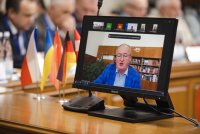
Philip Brown, an international expert in financial negotiations and procurement and a consultant for Arthur D. Little, founder of “The Negotiation Club,” and author of the innovative practical toolkit “Negotiation Cards,” dedicated his presentation to exploring modern, innovative approaches to negotiation in a dynamic business and management environment. Mr. Brown focused primarily on the application of effective decision-making strategies, the development of communication skills, and the use of digital tools to enhance the effectiveness of the negotiation process. The presentation also highlighted the importance of partnership and collaboration as key factors in achieving mutually beneficial solutions and ensuring the long-term effectiveness of professional communications.
Oleksandr Sharov, Ph.D. in Economics, Professor, and Chief Research Fellow of the International Financial Research Sector within the Public Finance Department at the State Institution “Institute of Economics and Forecasting of the National Academy of Sciences of Ukraine,” devoted his presentation to analyzing the nature and key factors of geo-financial uncertainty amid global economic, political, and security transformations. The speaker focused on the impact of geopolitical conflicts, financial instability, sanctions policies, and structural changes in global markets on the functioning of national economies and the international financial system. In his presentation, Mr. Oleksandr also outlined possible scenarios for the development of geofinancial processes and provided well-founded forecasting approaches to ensuring economic stability and the adaptation of states to conditions of global uncertainty.
In her presentation, Tetiana Yefimenko, Ph.D. in Economics, Professor, and President of the State National University “Academy of Financial Management,” outlined the conceptual foundations of financial regulation for Ukraine’s sustainable wartime and postwar development amid prolonged geopolitical turbulence and persistent high-level security threats. The speaker elaborated on the role of financial policy and state regulatory mechanisms in ensuring macrofinancial stability, supporting economic resilience, and creating the conditions for the country’s postwar recovery. In her presentation, she also highlighted the need to adapt the financial system to wartime conditions, strengthen the state’s institutional capacity, and implement effective risk management tools in the context of the ongoing war.
Haruoshi Ito, a professor at Aoyama Gakuin University, concluded the first session of the discussion platform with a presentation on the concept of sustainable finance and an analysis of Japan’s experience in implementing financial mechanisms to support sustainable economic development. The speaker focused on the use of ESG approaches, green investments, green banking, and government policies aimed at ensuring financial stability and achieving sustainable development goals. The report also explored practical aspects of adapting Japan’s experience to the current conditions of the global economy and the potential for applying it to improve the effectiveness of national financial systems.
In the afternoon, forum participants began their work within the discussion platforms “Geosecurity and National Resilience of Public Finances,” “Innovative FinTech in Digital Transformation: Vision 2035,” “Geo-Finance in the Context of Turbulence in the World Order,” “Accounting and Analytical Content of the Transformation of the Financial Space Amid External Threats and Internal Challenges,” and the workshop “Negotiation Club: Simulations of Financial Decisions and the Art of Closing Deals.”
Kostyantyn Vashchenko—Ph.D. in Political Science, professor, full member (Academician) of the National Academy of Pedagogical Sciences of Ukraine, Chief Research Fellow at the Mykhailo Dragomanov National University of Ukraine, Head of the National Agency of Ukraine for Civil Service from 2014 to 2019, and State Secretary of the Ministry of Finance of Ukraine from 2019 to 2020; Vice Speaker — Andriy Krysovaty, Ph.D. in Economics, professor, head of the S. I. Yuriy Department of Finance, and chair of the Academic Council of the Western Ukrainian National University.
Steve Alban Tineo, founder and CEO of Assertive Group, financial analyst, and global expert on strategic negotiations, mediation, and leadership, opened the second session of Discussion Platform No. 1, “Geosecurity and the National Resilience of Public Finances.” In his speech, he discussed in detail the role of emotional intelligence in financial decision-making and leadership.
Kateryna Gunko, Ph.D., Deputy Director of the Department—Head of the Personnel Development Division of the Human Resources Department of the State Customs Service of Ukraine, and First-Rank Advisor to the Customs Service, discussed in detail the main stages of reforming the State Customs Service of Ukraine in the context of implementing the National Revenue Strategy.
A presentation analyzing the main financial mechanisms governing the social sector of the Republic of Armenia—specifically, the characteristics of budgetary financing for the social protection, healthcare, and education systems—was delivered by Sahak Gudratyan—Ph.D. in Economics, Associate Professor, Honorary Professor, and Director of the Yerevan Educational and Research Institute of the Western Ukrainian National University, Yerevan, Republic of Armenia; Arpenik Muradyan—Ph.D. in Economics, Associate Professor, Head of the Department of Finance, Accounting, and Auditing at the Yerevan Educational and Research Institute of the Western Ukrainian National University, Yerevan, Republic of Armenia; Inga Galstyan, Acting Head of the Academic Department at the Yerevan Educational and Research Institute of the Western Ukrainian National University, Yerevan, Republic of Armenia; Roza Gudratyan, student at the Yerevan Educational and Research Institute. The presentation examined current trends in the social policy of the Republic of Armenia, challenges in ensuring the financial sustainability of social programs, and prospects for improving social financing amid economic challenges.
In her presentation, Tetiana Borodenko, Ph.D. in Economics, Associate Professor at the Viktor Fedosov Department of Finance of the Vadym Hetman Kyiv National Economic University, Kyiv, outlined the key factors for ensuring Ukraine’s financial stability in wartime, focusing on the interaction between macroprudential policy and financial system stabilization tools. The speaker highlighted the role of external financial assistance from international partners as a critical resource for maintaining budgetary liquidity, currency stability, and overall macroeconomic equilibrium.
The results of a joint study on the structure of the Republic of Armenia’s public debt for 2020–2025 were presented by Gayane Khanumyan—Ph.D. in Economics, lecturer at the Department of Economic Theory at the Armenian State Economic University, Yerevan, Armenia; Verjine Kirakosyan—Ph.D. in Economics, Associate Professor at the Department of International Economic Relations, Armenian State Economic University, Yerevan, Armenia; and Meri Grigoryan—lecturer at the Yerevan Educational and Research Institute of the Western Ukrainian National University, Yerevan, Armenia.
Tetiana Dmytrenko, Ph.D. in Economics, Professor, Chair of the NGO “Ukrainian Modern Digital Science” (UMDS), and Yulia Parkhomenko, Ph.D. candidate and Director of the Digital Economy Directorate at the Ministry of Digital Transformation of Ukraine, presented a report analyzing the evolution of fraudulent practices in the digital economy, with a focus on the use of modern technologies for financial crimes and their transnational nature.
The authors examined in detail the impact of digital fraud as a threat to geo-economic security and the stability of public finances, and outlined approaches to strengthening financial control and the cyber resilience of government systems.
Serhiy Kaplin, Ph.D. in Economics and Secretary General of the Confederation of Trade Unions of Ukraine, briefed forum participants on the issue of expected structural unemployment in the context of automation and the transformation of the labor market, as well as its impact on the tax base. The model for fiscal stabilization of expected structural unemployment proposed by the speaker sparked a lively discussion.
In a joint presentation, Hanna Kotina, Ph.D. in Economics, Associate Professor at the Viktor Fedosov Department of Finance at the Vadym Hetman Kyiv National Economic University, and Marina Stepura, Ph.D. in Economics, Associate Professor at the Viktor Fedosov Department of Finance at the Vadym Hetman Kyiv National Economic University, explored the specifics of geostrategic planning in public finance and its impact on national financial stability.
Galina Voznyak, Ph.D. in Economics, Professor, and Leading Research Fellow at the M. I. Dolishniy Institute of Regional Studies of the National Academy of Sciences of Ukraine, examined the role of budget planning as a key instrument of the public investment system, which determines the effectiveness of the allocation of state resources among regions and communities.
The author analyzed the challenges facing regional and local development, including limited financial resources, institutional barriers, and the need to improve the quality of investment planning and the management of budget priorities.
A presentation by Halyna Lopushnyak, Ph.D. in Economics, professor, and head of the Department of Socioeconomics and Human Resource Management at the Vadym Hetman Kyiv National Economic University, focused on the specifics of veteran policy within the state’s geosecurity system. Particular attention was paid to the financial mechanisms for social support and professional reintegration of veterans.
Natalia Synyutka, Ph.D. in Economics, Associate Professor, and Associate Professor in the Department of Finance at Lviv Polytechnic National University, presented a report on current issues in cryptocurrency taxation in the context of global experience and prospects for Ukraine.
Vitalii Tolubyak, Ph.D. in Public Administration, Professor, and Deputy Head of the Main Directorate of the Pension Fund of Ukraine in the Ternopil Region, devoted his presentation to an analysis of the conditions for ensuring the financial stability of the pay-as-you-go pension system in the context of growing geosecurity risks, including military, demographic, and macroeconomic challenges.
The speaker examined in detail the mechanisms for adapting the pension system by improving its financial model, diversifying funding sources, and increasing its resilience to external shocks.
Olena Ptashchenko concluded the second session of the discussion platform with her presentation. Ph.D. in Economics, Professor, and Professor in the Department of Economic Cybernetics and Informatics at the Western Ukrainian National University, who devoted her presentation to examining the role of financial stability and effective regulatory policy in ensuring the sustainable development of the national economy amid global challenges and digitalization.
The speaker focused on the impact of the digital transformation of the financial sector, the improvement of state regulatory mechanisms, and the formation of a modern financial environment capable of supporting economic stability and innovative development.
The discussion platform “Accounting and Analytical Content of the Transformation of the Financial Sector Amid External Threats and Internal Challenges” brought together Ukrainian and international scholars researching issues in financial and managerial accounting, taxation, economic control, and analysis.
More than 150 people participated in this discussion platform, including: 52 Doctors of Economics and professors; 39 Candidates of Economic Sciences, Doctors of Philosophy, associate professors, and doctoral candidates; 31 graduate students; students; and practicing accountants, auditors, controllers, and analysts.
Participants in Discussion Platform No. 2 included representatives of Ukrainian government agencies, specifically the Ministry of Finance of Ukraine and the Ministry of Education and Science of Ukraine, as well as local authorities—regional and municipal military state administrations; business entities and professional associations, including the Federation of Professional Accountants and Auditors of Ukraine and the Federation of Auditors of Ukraine; and higher education institutions in Ukraine, specifically from Kyiv, Vinnytsia, Dnipro, Zhytomyr, Ivano-Frankivsk, Lutsk, Lviv, Odesa, Rivne, Kharkiv, Chernivtsi, Berehove, Mukachevo, Chortkiv, and other cities. The largest delegations consisted of scholars from the Western Ukrainian National University, the Vadym Hetman Kyiv National Economic University, the Lviv University of Trade and Economics, the Ivan Franko National University of Lviv, the Zhytomyr Polytechnic State University, the Lviv Polytechnic National University, the National University of Water and Environmental Engineering; as well as foreign higher education institutions and business organizations from the United Kingdom, Estonia, Canada, Romania, and France.
The speaker for discussion platform No. 2, “Accounting and Analytical Content of the Transformation of the Financial Sector Amid External Threats and Internal Challenges,” was Petro Oleksiyovych Kutsyk, Rector of Lviv University of Trade and Economics, Doctor of Economics, Professor, and Professor in the Department of Accounting, Control, Analysis, and Taxation.
The Vice-Moderator of this discussion platform was Zenoviy-Mykhailo Vasylovych Zadorozhny, Doctor of Economics, Professor, and Head of the Department of Accounting and Taxation at the Western Ukrainian National University.
During Discussion Platform No. 2, “Accounting and Analytical Content of the Transformation of the Financial Space Amid External Threats and Internal Challenges,” the following speakers delivered presentations: Petro Oleksiyovych Kutsyk, Rector of Lviv University of Trade and Economics, Doctor of Economics, Professor, and Professor in the Department of Accounting, Control, Analysis, and Taxation, on the topic “Strategic Accounting in the Management System of a Business Entity”; Zenoviy-Mykhailo Vasylovych Zadorozhny, Doctor of Economics, Professor, and Chair of the Department of Accounting and Taxation at the Western Ukrainian National University, on the topic “Problematic Aspects of the Regulatory Framework for Accounting in Ukraine”; Lyudmyla Vasylivna Haponenko, Candidate of Economic Sciences, Director of the Department of Accounting Methodology and Regulatory Support for Auditing Activities at the Ministry of Finance of Ukraine, member of the Supervisory Board for Auditing Activities, on the topic “Main Directions of Accounting Reform in Ukraine”; Petro Mykhailovych Krychun, Ph.D. in Economics, President of the Federation of Professional Accountants and Auditors of Ukraine, on the topic “Challenges in Identifying Digital Assets and Ensuring Quality Standards in Corporate Financial Reporting.” Mykola Ivanovych Bondar, Ph.D. in Economics, Professor, Dean of the Faculty of Accounting and Tax Management at the Vadym Hetman Kyiv National Economic University, on the topic “Draft Standards for Higher Education in Specialization D1 ‘Accounting and Taxation’: Academic Reflection and Discussion Points on Implementation”; Natalia Grygorivna Zdyko, Ph.D. in Economics, Professor, Professor of the Department of Analysis and Audit at Vinnytsia National Agrarian University, on the topic “Information Constraints and Systemic Risks in State Control of Defense Procurement”; Serhii Fedorovych Legenchuk, Ph.D. in Economics, Professor, Head of the Department of Information Systems in Management and Accounting at Zhytomyr Polytechnic State University, on the topic “The Narrative Component of Sustainability Reporting as a Tool for Managing Perceptions”; Vasyl Ivanovych Bachynskyi, Ph.D. in Economics, Professor, Professor in the Department of Accounting, Control, Analysis, and Taxation at Lviv University of Trade and Economics, on the topic “The Formation of Modern Paradigms of Accounting and Taxation in Ukraine’s Agribusiness”; Valerii Mykolaiovych Zhuk, Doctor of Economics, Professor, Chair of the Scientific Council of the Institute of Accounting and Finance of the National Academy of Agrarian Sciences, Chair of the Board of the public organization “Federation of Auditors, Accountants, and Financiers of Ukraine’s Agribusiness Sector,” on the topic “Transformation of the Subject Area of Accounting Amid the Turbulence of the Modern Economy “; Olena Rostyslavivna Antoniuk, Ph.D. in Economics, Professor, Professor in the Department of Accounting and Auditing at the National University of Water and Environmental Management, on the topic “Anti-Corruption Compliance as a Type of Auditing Service”; Iryna Volodymyrivna Zhurakovska, Ph.D. in Economics, Associate Professor, Associate Professor at the Department of Accounting and Auditing at Lutsk National Technical University, on the topic “The Concept of Simplified Accounting for Small Businesses.”
Faculty members, doctoral candidates, and graduate students from the Department of Accounting and Taxation at the Western Ukrainian National University actively participated in the discussion of the reports and in debates on the development of issues related to financial and managerial accounting, taxation, economic control, and analysis.
Oleksandr Sharov, Ph.D. in Economics, professor, and chief research fellow of the International Financial Research Sector within the Public Finance Department at the State Institution “Institute of Economics and Forecasting of the National Academy of Sciences of Ukraine,” was selected as the speaker for the second session of the discussion platform “Geofinance in the Context of Turbulence in the World Order.” Zoryana Lutsyshyn, Ph.D. in Economics, Professor, and Vice President for Scientific and Pedagogical Work at the National University of Kyiv-Mohyla Academy, served as the session’s vice-moderator.
During the discussion platform, the following speakers delivered presentations: Volodymyr Khomanets, Ph.D. in Economics, Ambassador Extraordinary and Plenipotentiary of Ukraine to the Republic of Tunisia and, concurrently, to the State of Libya, on the topic “Economic Diplomacy in Africa as a Tool for Redistributing Global Financial Flows During a Period of Geopolitical Turbulence”; Zoryana Lutsyshyn, Ph.D. in Economics, Professor, Vice President for Research and Education at the National University of Kyiv-Mohyla Academy, and Olena Katrich, Ph.D., Associate Professor, Associate Professor in the Department of International Finance at the Vadym Hetman Kyiv National Economic University, Head of the External Debt Restructuring Division within the framework of cooperation with the IMF, and a fellow at the Cambridge Business School, on the topic “The Reconfiguration of Global Financial Links in the Era of the Transformation of the World Order”; Ihor Liutyi, Ph.D. in Economics, Professor, Chair of the Department of Finance at Taras Shevchenko National University of Kyiv, on the topic “Global Uncertainty and Its Impact on Ukraine’s Financial Policy”; Olena Borzenko, Ph.D. in Economics, Professor, Head of the International Financial Research Sector at the Institute of Economics and Forecasting of the National Academy of Sciences of Ukraine, on the topic “The Transformation of Geofinance as a Response to Contemporary Challenges and Economic Instability”; Svitlana Kalinina, Ph.D. in Economics, Professor, Dean of the Faculty of Economics and Law at Mariupol State University, on the topic “Global Labor Force Security: The Monetary Dimension”; Oleg Pidkhomnyi, Ph.D. in Economics, Professor, Professor in the Department of Finance, Monetary Circulation, and Credit at Ivan Franko National University of Lviv, on the topic “Security Dimensions of Applying the Concept of Collective Intelligence in the Field of Finance”; Oleksii Kalivoshko, Ph.D. in Economics, Professor, and Chief Research Fellow at the Department of Financial, Credit, and Tax Policy of the National Scientific Center “Institute of Agrarian Economics” of the National Academy of Agrarian Sciences of Ukraine, and Dmytro Rozenyuk, Ph.D. candidate at the National Scientific Center “Institute of Agrarian Economics” of the National Academy of Agrarian Sciences of Ukraine, on the topic “Development of the Financial Technology Sector’s Infrastructure in the Context of Capital Market Transformation”; Mykola Mazur, Ph.D. candidate at the Vadym Hetman Kyiv National Economic University, on the topic “The Strait of Hormuz, Sanctions, and Oil: New Risks of Geofinancial Fragmentation of the World Order”; Oleksandr Sokhatskyi, Ph.D., Associate Professor, Department of International Economic Relations at the Western Ukrainian National University, on the topic “Global Financial Inequality as a Key Indicator of Neo-Feudalism 2.0.”
Anatoliy Guley, Ph.D. in Economics, professor, and deputy chairman of the Supervisory Board of PJSC “NPC “Ukrenergo,” was selected as the moderator for the second session of the discussion platform “Innovative FinTech in Digital Transformation: Vision 2035”; and Olga Kneisler, Ph.D. in Economics, Professor, and Head of the Department of Financial Technologies and Banking at the Western Ukrainian National University, was selected as the vice-speaker.
During the discussion platform, presentations were given by: Oleg Lutyshyn, Ph.D. in Economics, Associate Professor, Associate Professor in the Department of Interdisciplinary Education at the National University of Kyiv-Mohyla Academy, and specialist in the Risk Management Department at OTP Leasing LLC , and Nataliia Kravchuk, Ph.D. in Economics, Associate Professor, Head of the Department of Interdisciplinary Education at the National University of Kyiv-Mohyla Academy, on the topic “The Concept of Digital Transformation and Its Impact on the Global Financial Architecture”; Yuriy Senyk, Ph.D. in Economics, Professor, Professor in the Department of Entrepreneurship and Trade at the Western Ukrainian National University, on the topic “Innovative Fintech Solutions for Optimizing Raw Milk Supply Chains Based on Lean Principles”; Olga Ivashchuk, Ph.D. in Economics, Associate Professor, Associate Professor in the Department of Financial Technologies and Banking at the Western Ukrainian National University, on the topic “The Development of Banking Institutions in the Context of Digital Transformation”; Mykhailo Krupka, Ph.D. in Economics, Professor, Chair of the Department of Finance, Monetary Circulation, and Credit at Ivan Franko National University of Lviv, and Andriy Kotur, Ph.D. candidate at Ivan Franko National University of Lviv, on the topic “Digital Transformation of Banks’ Credit Portfolio Management Strategies in the Current Economic Environment”; Olga Nipialidi, Ph.D. in Economics, Associate Professor, Associate Professor in the Department of Financial Technologies and Banking Business at the Western Ukrainian National University, on the topic “Digitalization as a Driver of the Development of Information and Analytical Support for Enterprise Management”; Volodymyr Ovsienko, Ph.D. candidate at the European University, a private higher education institution, on the topic “Prospects for the Monetization of Tokenized Assets: Vision 2035”; Maria Soroka, lecturer at the Department of Financial Technologies and Banking, on the topic “Digital Transformation of Ukraine’s Insurance Market in the Context of Fintech Development”; Anton Zinchenko, a graduate student at the Vadym Hetman Kyiv National Economic University and chief dealer in the Securities Division of the Capital Markets Department at Raiffeisen Bank (Ukraine), on the topic “The Role of Information Technology in the Microfinancing of Public Debt”; Mykola Stetsko, Ph.D. in Economics, Professor, Professor in the Department of Financial Technologies and Banking at the Western Ukrainian National University, on the topic “Information Security in Financial Technologies and the Specifics of Ensuring It.”
Faculty members, doctoral candidates, and graduate students from the Department of Financial Technologies and Banking Business at the Western Ukrainian National University actively participated in the discussion of the presentations and debates on the development of innovative FinTech in the context of digital transformation.